
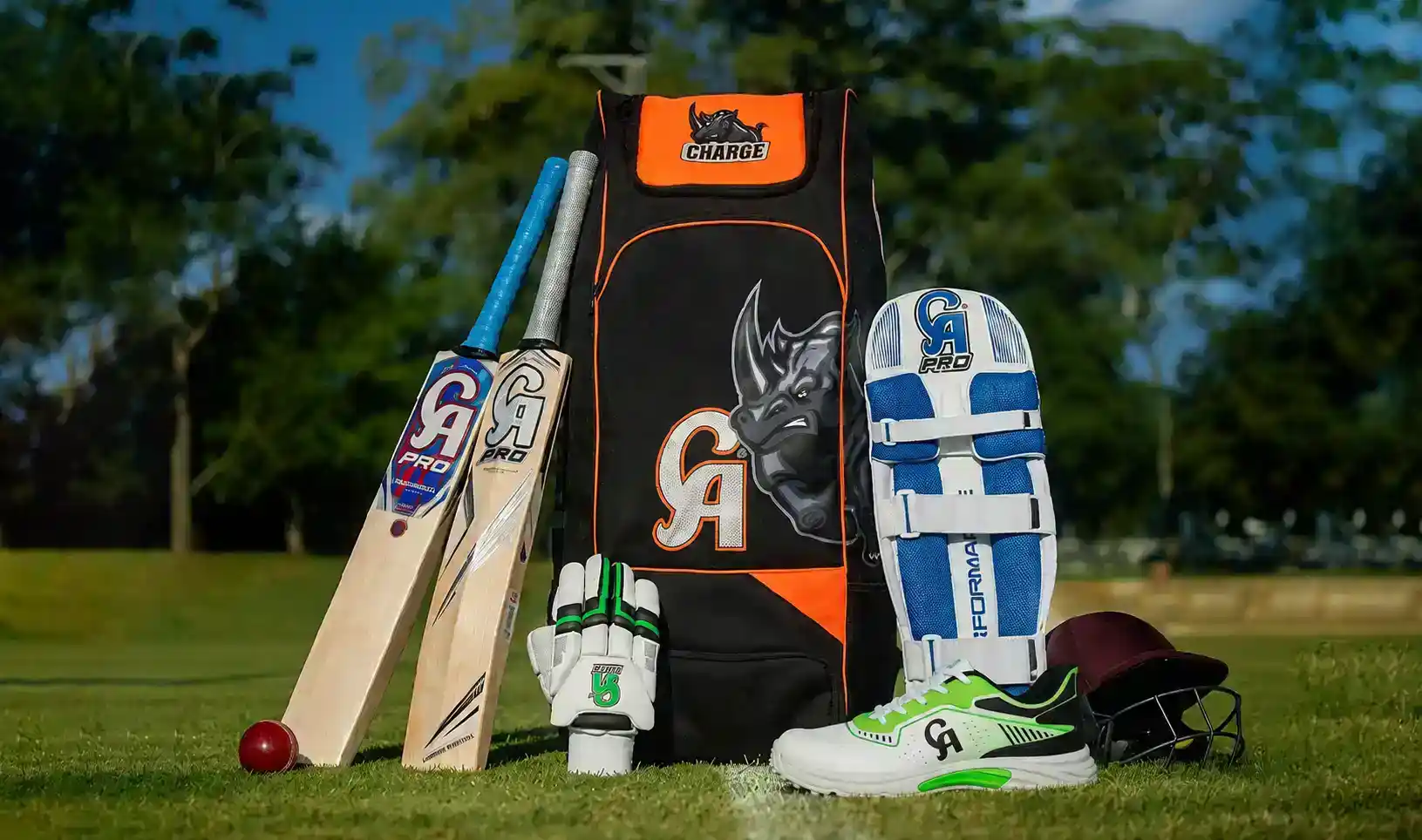
4 Most Important Items To Keep In Your Cricket Kit Bag
Most cricket kit checklists give you long lists of fifteen or twenty items, and that is fine when you are building a complete setup over time. But every serious club, school, and academy player knows there are four items in particular that you simply cannot step onto a hardball ground without. Forget any of these four, and you are either not playing, not playing safely, or not playing well.
This is the focused list of four items. Each one explained clearly so you know exactly what to look for, why it matters, and how to choose the right one for your level of cricket.
Why Only Four Items?
A full cricket kit bag eventually holds a lot of equipment, but most of those items fall into the helpful or useful categories. The four items in this guide are different. Each one directly affects either your safety on the field or your ability to perform at the crease. Skip any of them and you either cannot bat in a competitive match or you put yourself at real physical risk.
Once you have these four sorted, the rest of your kit builds out naturally over the seasons that follow.
1. Cricket Bat
The cricket bat is the single most personal piece of equipment you will own as a player. It is also the most performance-critical. A bat that fits your size, suits your style, and matches the level you play at will help your game develop faster than almost anything else.
Choosing the Right Willow
Cricket bats are made from two types of willow. English willow is lighter, more responsive, and gives better feedback when you middle the ball. Kashmir willow is denser, more durable, and handles rough surfaces and heavy use better than English willow. For a school or club player on a budget who plays regularly in hard conditions, Kashmir willow makes practical sense. For academy players and serious club cricketers who want maximum performance, English willow is the standard choice.
Bat Size Based on Height
Bat size is determined by your height, not your age. A correctly sized bat allows you to play with proper technique. A bat that is too big or too small forces compensations into your stance and shot selection that hold back your development.
Player Height | Bat Size |
Under 4ft 6in | Size 4 or smaller |
4ft 6in to 4ft 9in | Size 5 |
4ft 9in to 5ft | Size 6 |
5ft to 5ft 2in | Harrow |
5ft 2in and above | Short Handle (Full Size) |
Knocking In Your New Bat
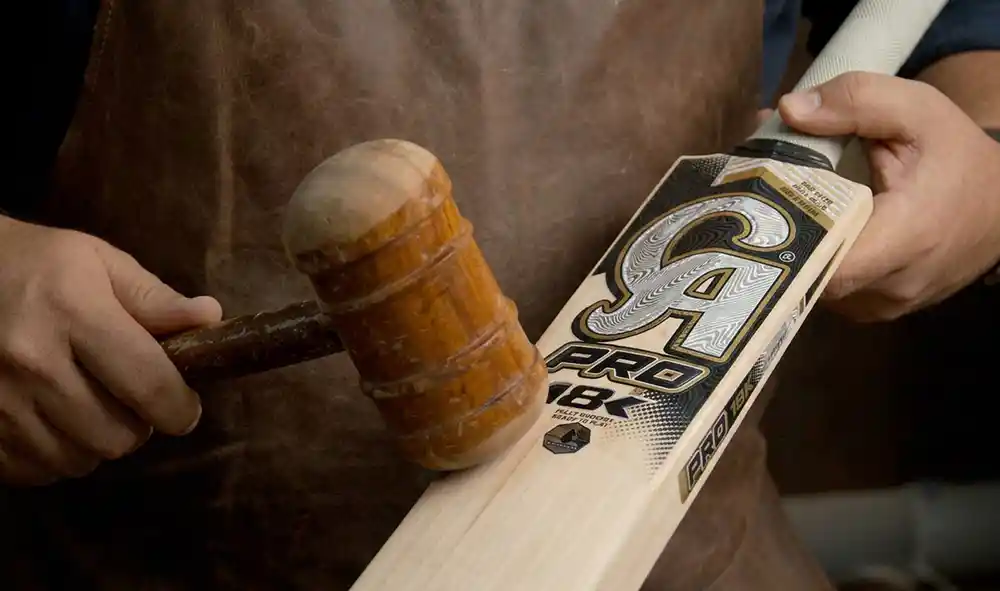
Every new cricket bat needs proper preparation before its first match. Apply raw linseed oil sparingly to the face, edges, and toe, avoiding the splice and handle. Then work the surface with a bat mallet for three to four hours across multiple sessions. This compresses the willow fibres and protects the bat from cracking when it meets a hard ball at pace. Skipping this step is the most common cause of new bats cracking in their first innings.
Explore the full range of cricket bats for every level of play.
2. Cricket Helmet
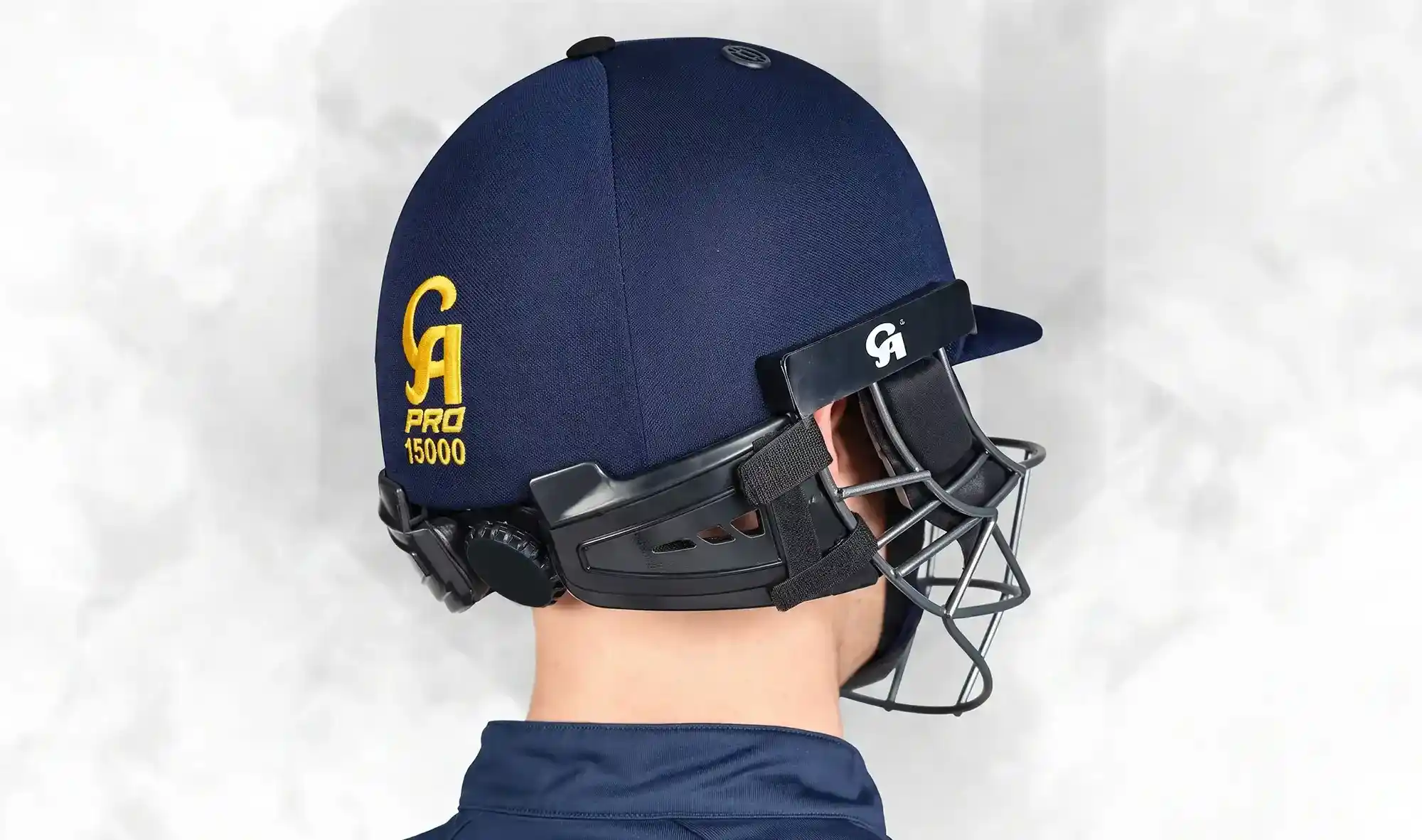
The helmet is the one piece of equipment where no compromise is acceptable. You can manage with average pads. You can adapt to gloves that are not perfect. A poor cricket helmet is a safety risk that no club, school, or academy player should take. Helmets are mandatory in most organised competitions in Pakistan and internationally, and they are mandatory because of what happens when they are missing.
Fit Comes Before Everything Else
A helmet that does not fit correctly cannot protect you, regardless of how expensive it is. When you fasten the chin strap and look straight ahead, the grille should sit at least one finger width away from your nose. The shell should sit level on your head without tilting forward or backward. Move your head vigorously, and the helmet should hold its position. Any shifting means the fit is wrong.
Grille Type and Visibility
Modern cricket helmets use either titanium or steel grilles. Titanium is lighter and offers slightly better visibility, but costs more. Steel grilles are heavier but provide robust protection at lower price points. For most club and school players, a properly fitted steel grille helmet meets every safety requirement and lasts multiple seasons. Junior cricketers should also consider a neck guard, which is mandatory in many youth competitions.
When to Replace Your Helmet
Replace your helmet after any significant impact, even when no visible damage is present. The internal padding compresses during impact absorption and loses effectiveness for subsequent strikes. Most manufacturers also recommend full helmet replacement every three to five years, regardless of visible wear, as the protective materials degrade gradually over time.
Shop the full range of cricket helmets for adult and junior players.
3. Batting Pads
Batting pads protect the most exposed area of a batter at the crease. From the moment a fast bowler runs in until the ball passes your stumps, your shins, knees, and lower legs are direct targets for every delivery that misses the bat. A ball hitting an unprotected shin from genuine pace on a hard pitch ends innings, breaks bones, and shakes confidence for weeks after.
Sizing the Pad to Your Leg
Pads should fit from just above your ankle to the middle of your thigh. The knee roll should sit directly over your kneecap when you stand naturally. Three velcro straps secure the pad in place, and each one should hold the pad firmly without cutting off circulation. You should be able to fit two fingers comfortably under each strap once fastened.
Lightweight or Traditional Construction
Modern lightweight pads weigh less than 1.5 kilograms per pair and use advanced foams that provide strong protection without the bulk of older designs. Most club and academy players choose lightweight pads because they allow quicker footwork and more natural running between wickets. Traditional pads with heavier construction offer slightly more impact absorption and are sometimes preferred by players facing extreme pace on uneven surfaces.
Checking Pad Condition Regularly
Pads take constant impact. Check the foam regularly by pressing firmly into the shin area. Quality foam compresses and returns to shape immediately. Foam that stays compressed or feels soft has lost its protective properties, and the pad needs replacing.
Browse batting pads for senior club and academy players.
4. Batting Gloves
Batting gloves protect your hands from ball impact and improve your grip on the bat handle. A leather cricket ball travelling at club bowling pace can break a finger on direct contact, and even a deflection that catches an exposed finger can cause real damage. Gloves are protection, and they are also performance equipment.
Fit and Hand Movement
When trying on batting gloves, make a full batting grip and check three things. The fingers should feel natural without cramping or restriction. The wrist closure should allow your full range of bat movement through the shot. The palm grip should feel secure with the bat handle. Gloves that pass all three checks are the right fit. Gloves that fail any one of them will affect your game and should be left on the shelf.
Finger Protection Construction
Quality batting gloves use high-density foam or fibre inserts across the finger tops. These inserts absorb ball impact without restricting finger flexibility. The thumb often has additional protection, since the thumb is the most exposed digit in the batting stance and takes more direct impacts than the other fingers.
Why Two Pairs Are Better Than One
Most club and academy players who train regularly find that one pair of gloves wears out quickly. Sweat soaks the palm material, the grip degrades, and the protection breaks down. Keeping two pairs in rotation, one for practice and one reserved for match play, extends the life of both pairs and ensures you always have a dry, well-maintained pair available when it matters.
Check the full collection of batting gloves across multiple ranges and player levels.
Beyond the Four: What Else You Will Need Eventually
These four items form the absolute foundation of any hardball cricket kit. Once they are sorted, you will also want to add an abdominal guard for groin protection, cricket shoes designed for the surfaces you play on, and a proper kit bag to carry everything safely. As you progress, items like thigh guards, arm guards, and inner gloves become worth considering. But none of those matters until the core four are in place.
Frequently Asked Questions
What are the four most important items in a cricket kit bag?
The four non-negotiable items are a cricket bat, a cricket helmet, batting pads, and batting gloves. These cover both performance and safety for any player facing hardball cricket at club, school, or academy level.
Should beginners buy English willow or Kashmir willow?
Kashmir willow is the more practical first choice for beginners and players on a budget. It is more durable and handles rough use better than English willow. Once your technique improves and you are playing regular competitive cricket, English willow becomes the natural upgrade.
How do I know my batting gloves fit correctly?
Make a full batting grip and check that your fingers feel natural without cramping, the wrist closure allows free movement, and the palm grip feels secure on the bat handle. If any of these three feel wrong, the gloves are not the right fit.
How often should a cricket helmet be replaced?
Replace your helmet immediately after any significant impact, even when no visible damage is present. Otherwise, most manufacturers recommend replacement every three to five years, as the protective padding and shell materials degrade gradually over time.
Are these four items enough to start playing hardball cricket?
These four items cover the absolute essentials for safe and effective hardball cricket. Most players will also want an abdominal guard, cricket shoes, and a kit bag before their first match. Add other items like thigh guards and arm guards as your game develops.
Does CA Sports manufacture all four of these items?
Yes. CA Sports manufactures cricket bats, helmets, batting pads, and batting gloves across multiple ranges, from junior beginner equipment to professional-grade gear. All are made in Sialkot, Pakistan, and available at thecasports.com.
Read our detailed guide on the 10 essential items for your cricket kit bag to see what else belongs in a full hardball setup.
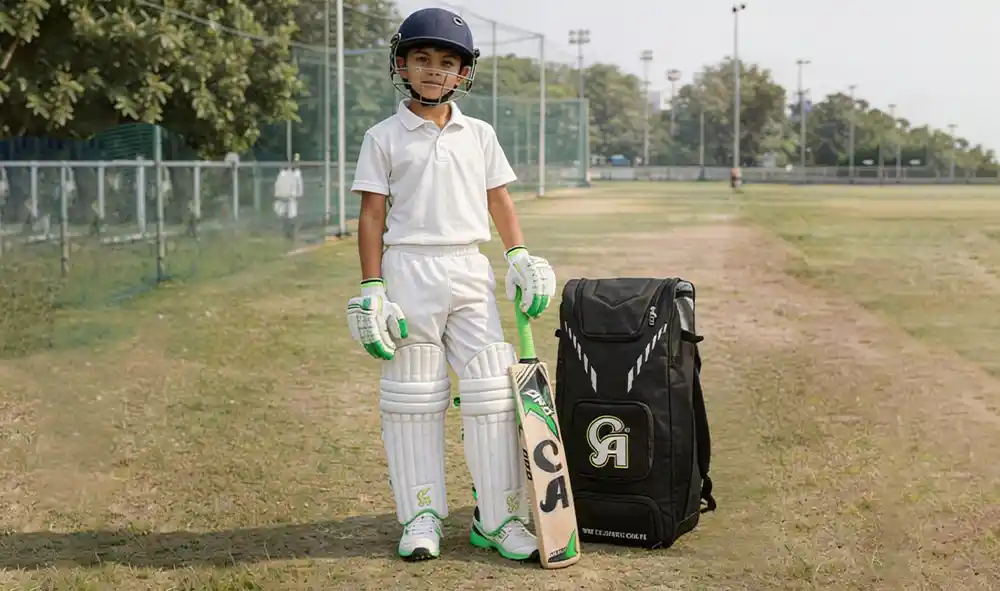
CA Sports has been manufacturing cricket equipment in Sialkot, Pakistan since 1958. Whether you are putting together your first hardball kit or upgrading what you already have, the full CA Sports range covers every item in this guide. Shop at thecasports.com with delivery across Pakistan and worldwide.

Recent Blog
05 Sep 2026
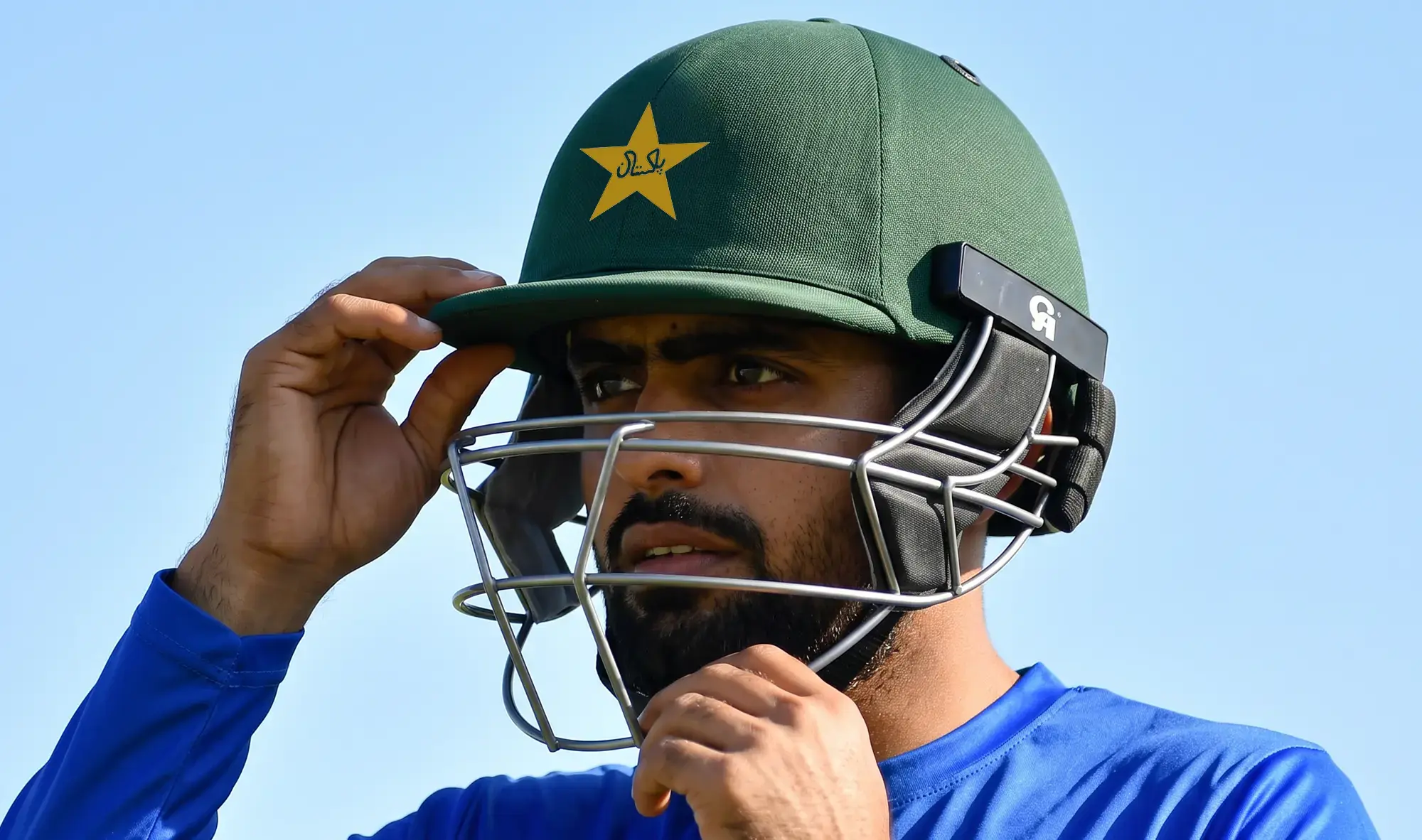
How to Choose the Best Cricket Helmets with Advanced Face Guard Technology

31 Aug 2026
What Protection Does a Fast Bowler Actually Need?
28 Aug 2026
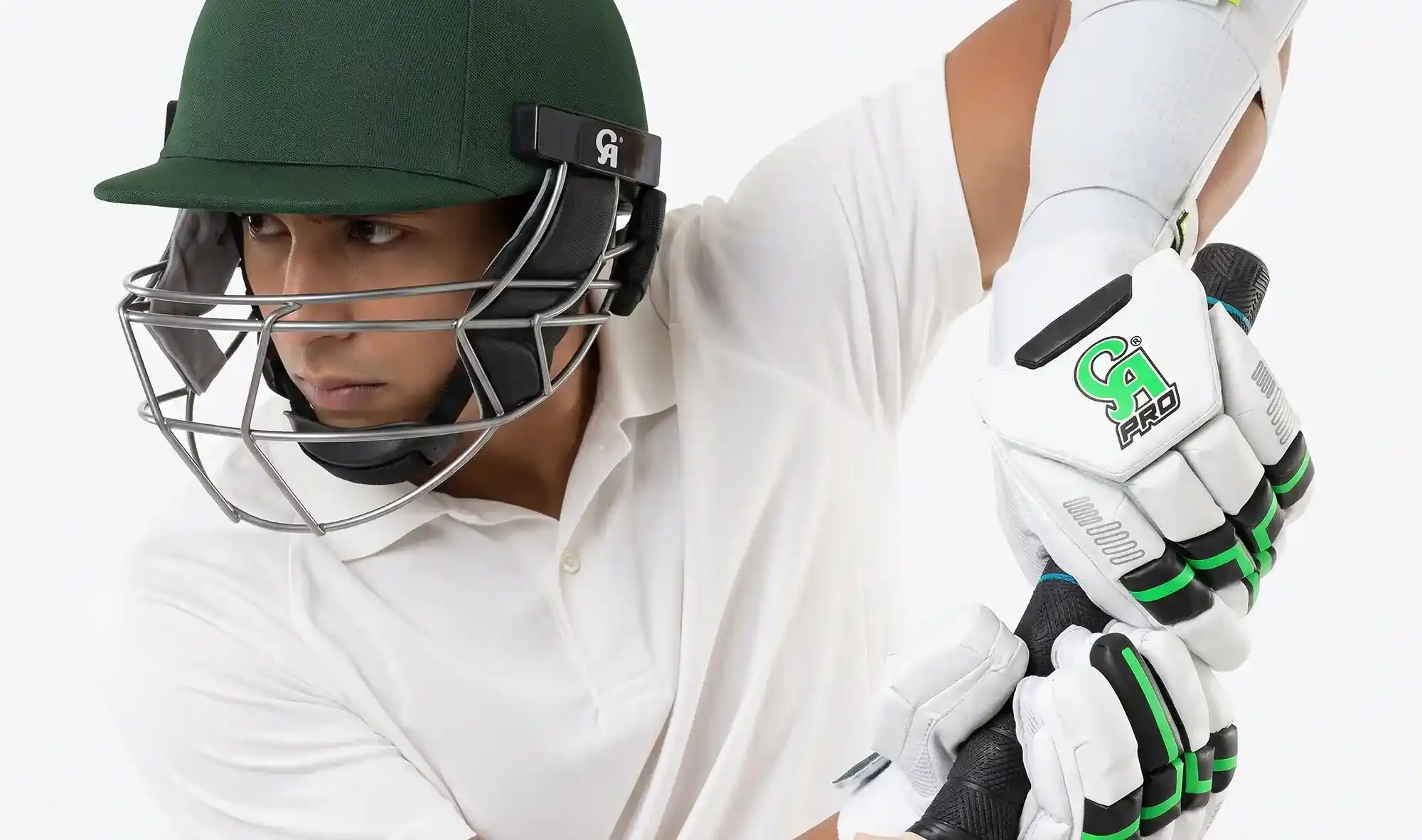
Do You Actually Need a Cricket Arm Guard?
28 Aug 2026
Why Your Helmet and Neck Guard Are Crucial
22 Aug 2026
How to Replace a Cricket Bat Grip?
12 Aug 2026
The Role of Carbon Fiber in Modern Cricket Bat Handles
30 Jul 2026
How to Knock In a Cricket Bat Properly: A Step-by-Step Guide
23 Jul 2026
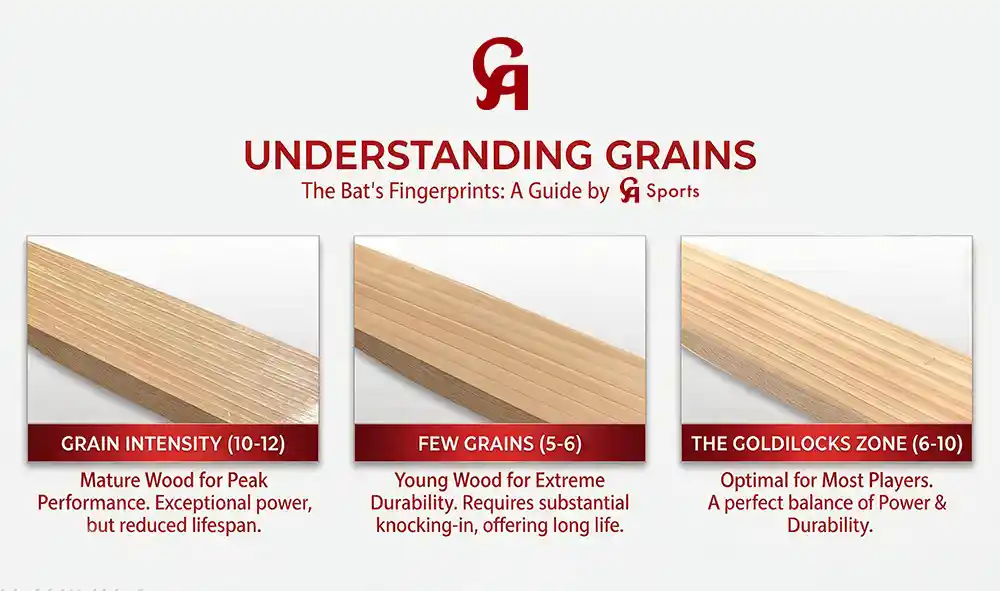
Cricket Bat Grains Explained: What 5, 7, and 10 Grains Really Mean